Jakob Schröder · 21 October 2026
Collaborative Digital Projects Safeguard Oakwald Narratives as Artists Partner with Archivists
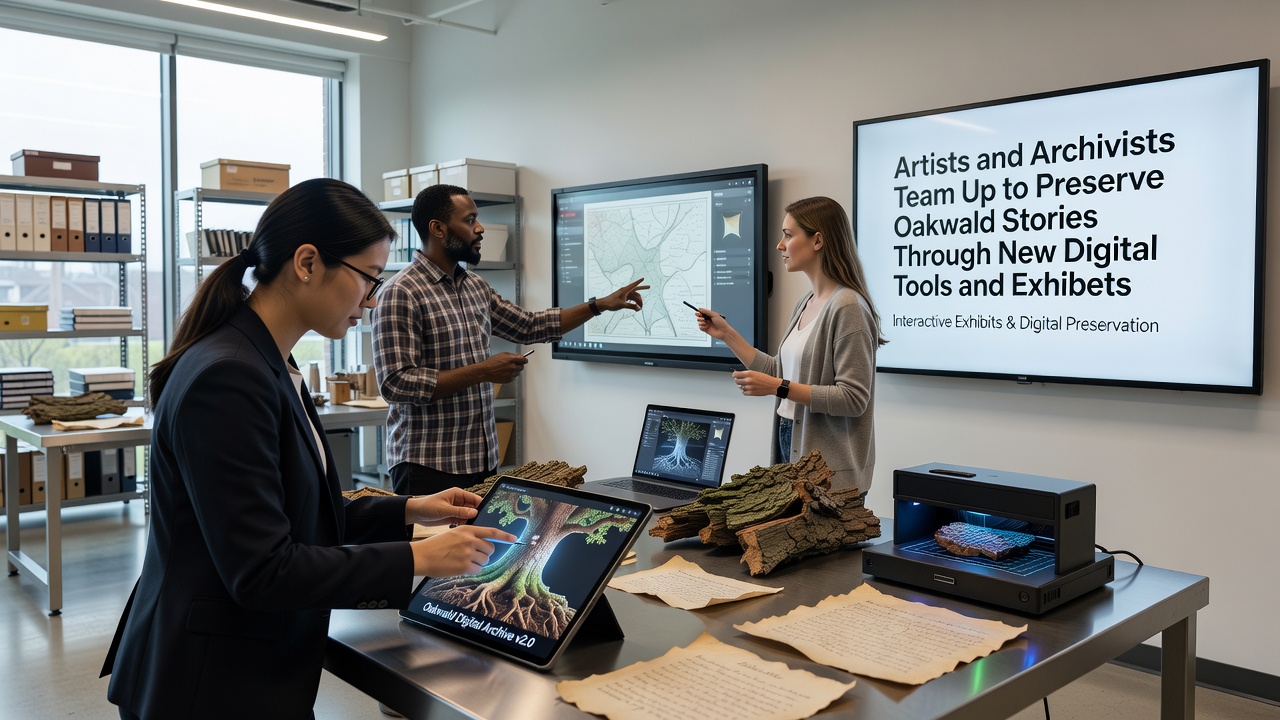
Local artists and archivists in Oakwald have launched joint initiatives that apply new digital platforms to record and display community histories, and these efforts center on oral accounts, photographs, and written records collected over generations. Teams combine traditional archival methods with interactive software to create exhibits that allow users to explore layered narratives through maps, timelines, and audio clips. Projects began gaining momentum in early 2025 when several community groups identified gaps in existing records, particularly around migration routes and agricultural shifts that shaped the region.
Project Foundations and Early Development
Archivists supplied verified documents and photographs while artists developed visual interfaces that translate static materials into dynamic presentations. One effort focuses on stories from early 20th-century settlers, and another addresses environmental changes documented in farmer diaries. Data from these collections feeds into open-source platforms that support tagging and cross-referencing, which enables researchers to connect individual accounts with broader regional patterns. According to figures from the National Library of Australia, similar digitization approaches have increased public access to local archives by more than 60 percent in comparable communities.
Workshops held throughout 2025 trained participants in basic scanning techniques and metadata standards, and these sessions drew residents who contributed family letters and recordings. The resulting database now holds over 1,200 entries, each tagged with geographic coordinates and dates that align with historical events. Artists then created layered illustrations that overlay modern landscapes onto older maps, and these elements appear in both online portals and physical displays at the Oakwald community center.
Digital Tools and Exhibit Formats
Software chosen for the projects includes three-dimensional modeling programs and augmented-reality applications that let visitors view reconstructed buildings or seasonal festivals on mobile devices. Archivists ensured every digital file meets preservation standards set by international guidelines, while artists adjusted color palettes and navigation flows to match the tone of each story collection. One exhibit scheduled for public release uses soundscapes recorded at local landmarks, and these audio layers activate when users select specific points on an interactive map.
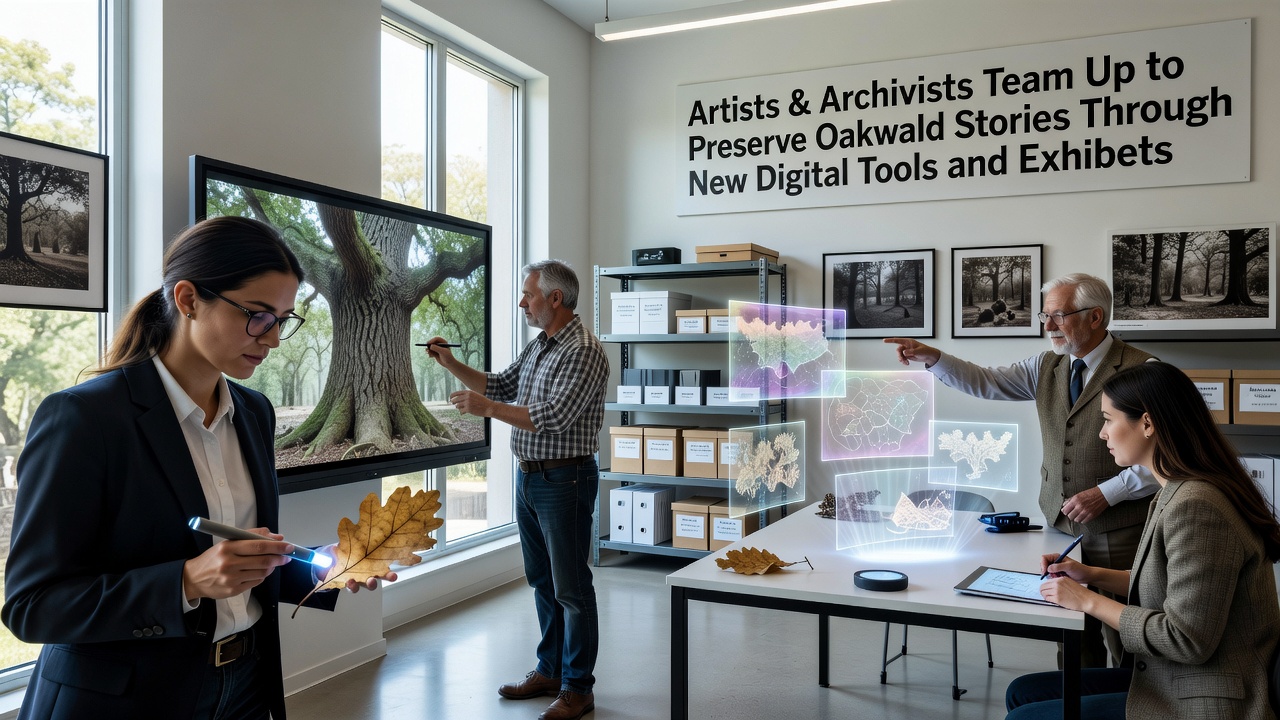
Testing phases revealed that older residents navigated the interfaces more easily when audio narration accompanied text, and younger users preferred swipe gestures that revealed hidden details. Updates to the platform continue based on feedback collected at monthly meetings. External partners supplied cloud storage solutions that automatically back up files across multiple sites, and this redundancy addresses concerns about data loss from hardware failures. A report issued by Library and Archives Canada highlights how distributed storage systems have improved long-term access in rural heritage projects across North America.
Community Participation and October 2026 Plans
Residents contribute new materials through drop-off stations and online forms, and archivists review each submission for accuracy before integration. Artists host open sessions where participants learn to scan fragile documents without damage, and these gatherings also serve as informal storytelling circles. The combined approach has produced short video segments that schools now incorporate into local history lessons. Plans call for a major rollout in October 2026 that will add virtual-reality components allowing users to walk through recreated street scenes from the 1950s, and organizers expect several hundred visitors during the first month of availability.
Funding for the October 2026 phase comes from regional heritage grants and private donations, with allocations covering equipment upgrades and additional training. Teams continue to refine search functions so that users can filter stories by theme, decade, or contributor name. Observers note that the partnership model reduces duplication of effort between cultural organizations and speeds up the release of new content modules.
Conclusion
These initiatives demonstrate how shared expertise between artistic and archival fields produces accessible records that serve both current residents and future researchers. The digital exhibits expand reach beyond physical locations while maintaining the accuracy required by professional standards. Ongoing work in Oakwald provides a model that other communities may adapt when addressing similar preservation needs.