Lars Jenkins · 23 September 2026
Community Seed Networks Take Root as Oakwald Farmers Adapt Longstanding Practices
Oakwald's agricultural landscape has long centered on a mix of traditional crop varieties and small-scale farming methods that passed from one generation to the next, yet recent decades have brought measurable shifts in what growers plant and how they source their seeds. Data from regional agricultural reports show a decline in the use of locally adapted heirloom strains alongside rising adoption of commercial hybrids suited to mechanized operations, and observers note this transition coincides with changing climate patterns and market pressures that favor uniformity over diversity.
Historical Roots Meet Modern Pressures
Records indicate that early settlers in the Oakwald area relied on seeds saved from previous harvests, selecting for traits like drought tolerance and pest resistance that suited the local soil and weather conditions, while subsequent generations incorporated new introductions through trade and migration. By the late twentieth century, however, consolidation in seed supply chains reduced the number of available varieties, and studies from agricultural research institutions document how this concentration narrowed genetic options available to individual growers. Those who've tracked these patterns point to economic incentives that encouraged farmers to purchase fresh seed each season rather than maintain on-farm saving practices, and the result appears in field surveys showing fewer distinct cultivars in active cultivation across the region.
Yet community responses have emerged directly from these changes, with residents organizing around teh preservation and redistribution of older seed stocks that still perform well under local conditions. What's significant is that these efforts draw on documented knowledge of past successes, including varieties that once thrived before widespread mechanization altered planting schedules and soil management routines.
Formation of Exchange Networks
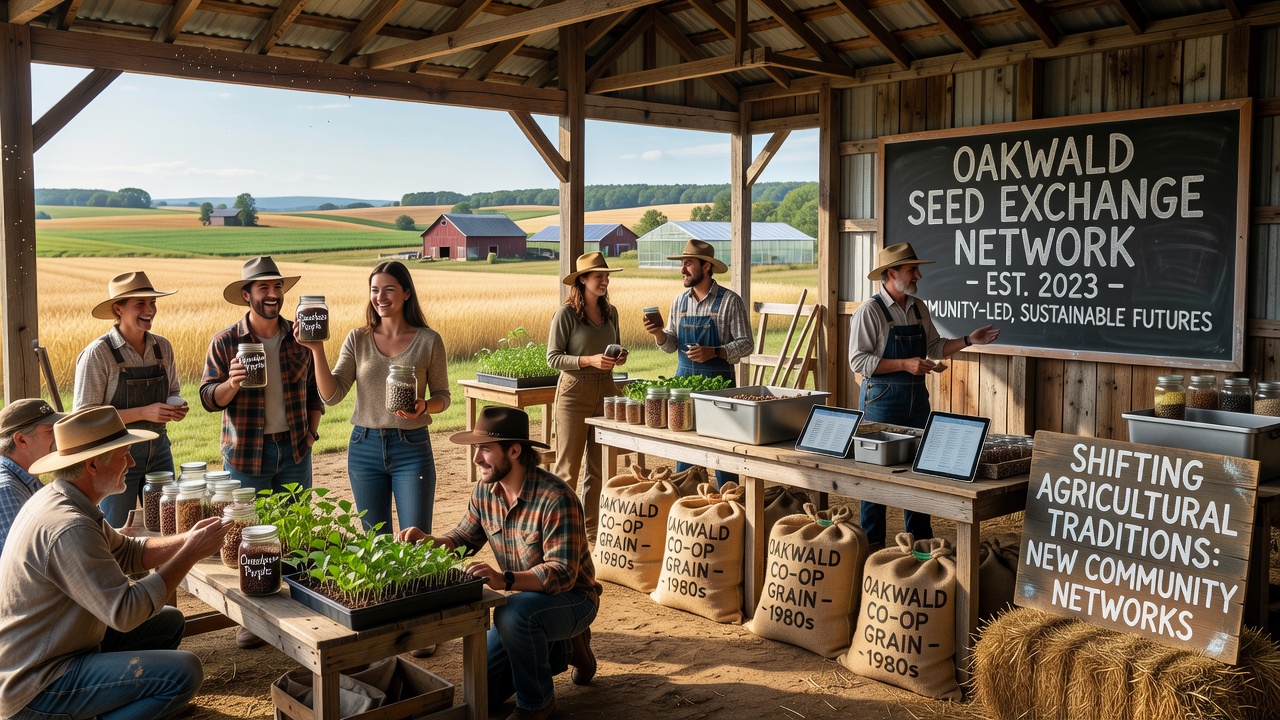
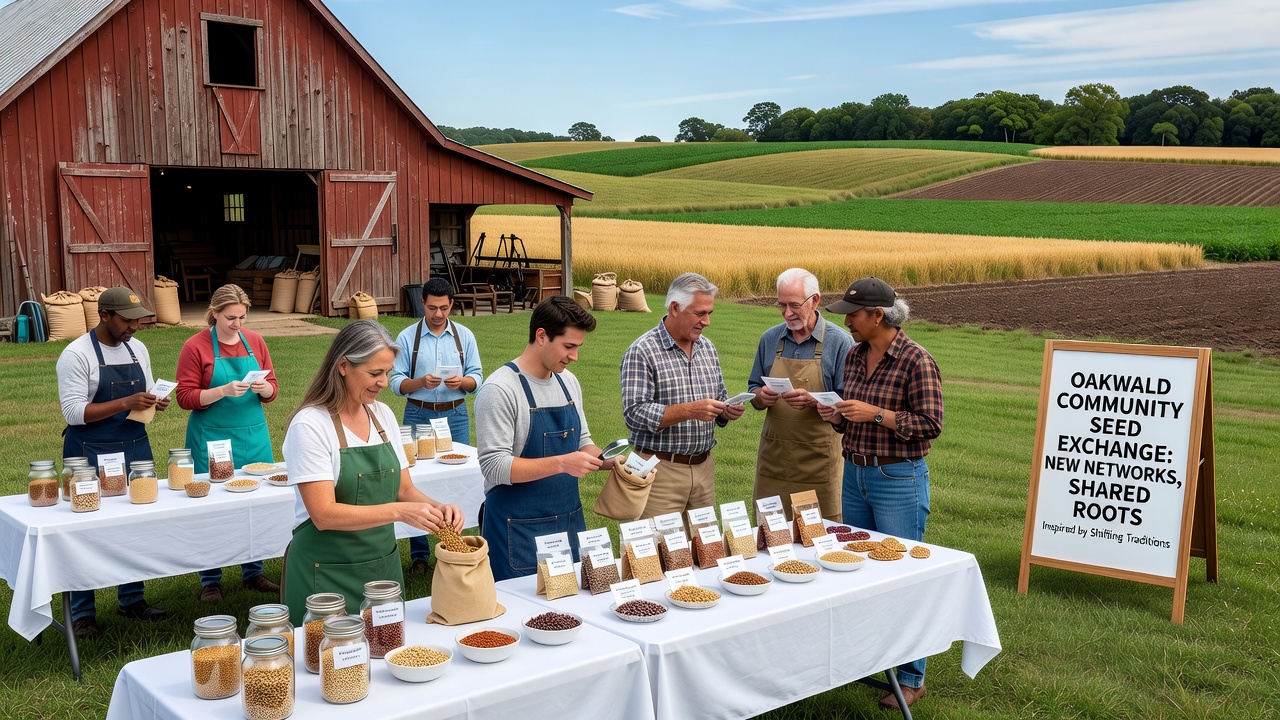
Local groups began formalizing seed exchange events in the early 2020s, starting with informal swaps at farmers' markets and expanding into structured networks that track variety performance and maintain germination standards. Participants collect seeds from their own plots, test them for viability, and bring labeled samples to gatherings where others can take small quantities for trial plantings, and records kept by network coordinators show steady growth in both the number of participating households and the range of species represented. One initiative documented over 120 distinct vegetable and grain varieties circulating through exchanges by 2025, with emphasis on types that demonstrate resilience to the area's increasingly variable rainfall patterns.
Planning documents released by network organizers outline a major gathering scheduled for September 2026 that will include workshops on seed cleaning techniques alongside distribution sessions, and preliminary registration figures suggest attendance could exceed previous events by 30 percent. This timeline aligns with harvest cycles so that fresh seed from the current season remains viable for immediate sharing, and coordinators have incorporated sessions on record-keeping to help members monitor which selections perform best across multiple plots.
Knowledge Sharing and Practical Outcomes
Network activities extend beyond simple distribution to include regular meetings where experienced growers demonstrate propagation methods suited to older varieties, and attendance logs reveal consistent participation from both longtime residents and newer arrivals seeking to establish productive gardens. Data compiled by participating farms indicate that plots using exchanged seeds often require fewer external inputs once varieties become established, although initial yields can vary depending on soil preparation and timing. Researchers affiliated with regional universities have begun collecting performance metrics from these community plots, and early findings suggest that certain traditional strains maintain stable output even during seasons when commercial hybrids show greater sensitivity to temperature fluctuations.
Links to broader resources have helped standardize practices across the networks, including guidance from the Food and Agriculture Organization of the United Nations on maintaining genetic diversity in smallholder systems and reports from Canada's Agriculture and Agri-Food Canada detailing successful community-based conservation models. Members adapt these frameworks to Oakwald-specific conditions, such as integrating cover crops that complement the seed stock being preserved.
Tracking Progress and Future Directions
Coordinators maintain digital and paper inventories that log which varieties circulate most frequently, and these records reveal preferences for certain root crops and leafy greens that historically formed staples in the area. Annual summaries released by the networks highlight incremental increases in the proportion of locally sourced seed used within member gardens, while noting that commercial suppliers remain important for hybrid options suited to larger-scale production. Observers who have followed similar programs in other regions note parallels in how such exchanges reinforce social ties among participants, although Oakwald groups emphasize measurable agronomic outcomes over social metrics alone.
September 2026 events will also feature sessions on adapting saved seed to projected climate shifts, drawing on meteorological data that indicate longer growing seasons paired with more erratic precipitation. Network leaders plan to distribute starter kits containing varieties pre-screened for these conditions, and follow-up surveys will assess adoption rates in subsequent planting cycles.
Conclusion
Oakwald's evolving agricultural scene continues to generate practical responses through community seed networks that build directly on documented shifts in tradition and crop selection. Figures from ongoing exchanges show sustained interest and expanding variety lists, while scheduled activities for September 2026 point to continued momentum. Data compiled by participants and external research bodies alike document both the challenges and the incremental gains achieved through these localized efforts, providing a factual record of adaptation within the region's farming practices.